Whoa! I remember the first time I held a hardware wallet in my hand, all cold plastic and promise. It felt like carrying a tiny vault. At first I thought it was enough to set a PIN and call it day, but then somethin’ in my gut said no. My instinct said: this can be more complicated—and riskier—than it looks.
Really? Security gets messy fast. Most people think “hardware wallet” equals “safe forever.” That’s a comforting first impression. Actually, wait—let me rephrase that: a hardware wallet is a powerful tool, not an autopilot. You still have to manage secrets, backups, and the human factor.
Here’s the thing. Cold storage is the concept of keeping private keys offline, and that reduces many attack vectors. Short sentence. The principle is simple, though the implementation has lots of sharp edges. On one hand cold storage prevents remote hacks; on the other hand physical loss, theft, or social engineering can still ruin you. I once watched a friend lose access after misplacing a seed card—ugh, that part bugs me.
Hmm… staking from cold storage? It sounds too good to be true sometimes. Some blockchains and setups let you stake while keeping keys offline via delegation or intermediary signing, which is neat. But it’s also a spot where user error creeps in, because staking often interacts with online services. Initially I thought offline staking was straightforward, but then realized the UX and safety trade-offs are real, and sometimes subtle.
Seriously? Multisig is underrated. Short sentence. Setting up a multisig cold storage arrangement spreads risk across devices and people, and that can protect you from a single point of failure. Longer thought here: when you distribute signing across multiple hardware wallets or geographically separate custodians, you gain resilience—and yes, you also add complexity that can confuse a hurried or stressed owner. I’m biased, but for high net crypto it’s often worth the extra steps.
Whoa! Backups are very very important. A single seed phrase backed up incorrectly will haunt you forever. Medium here: write it down on good paper, consider metal backups for fire and flood resistance, and test recovery on a throwaway wallet before trusting a big balance. Long thought: treat your recovery process like a drill you rehearse occasionally, because when time pressure hits—like a sudden hardware failure—you’ll be grateful you practiced and didn’t have to improvise under stress.
Really, watch for passphrase mistakes. Some people add a passphrase (25th word or additional layer) and then forget it, which is tragically common. Short sentence. On the flipside, passphrases can dramatically increase security if managed correctly. There’s a cognitive tax here though—managing another secret increases the chance you’ll misplace it, so weigh the benefits against your ability to remember or securely store that extra string.
Whoa! Air-gapped signing matters more than most tutorials emphasize. Many hardware wallets support signing transactions offline, which isolates your private keys from internet-connected devices. This is a medium-level protection that keeps malware on your laptop from directly exfiltrating keys. Longer point: if you’re serious about cold storage, consider an air-gapped setup combined with a verified QR or PSBT flow; it raises the bar for attackers substantially, though it requires patience and a touch of technical discipline.
Hmm… here’s a practical note about user experience. Short sentence. If the process is too painful, people take shortcuts, and shortcuts are where disasters begin. Design your backup and staking workflow so it’s repeatable by a clear-headed you, not just a caffeinated midnight-you. Also, ask a trusted friend to walk through recovery with you (without showing secrets) as a rehearsal; testing is underrated and costs very little time.
Whoa! Firmware updates are double-edged. Updating hardware wallet firmware patches vulnerabilities and sometimes adds features. Short sentence. On one hand you want the latest security fixes; on the other you introduce a brief window of complexity where processes change and your notes may no longer match new UI flows. Longer thought: perform updates in a controlled way—read release notes, backup first, and confirm authenticity—because doing blind updates on day one with large balances is a gamble you don’t need to take.
Really? Let me put an example here involving staking. I wanted to stake from cold storage using a popular device and a desktop client, and it mostly worked. The experience required me to understand transaction signing, delegation mechanisms, and the indexing of rewards. Initially I thought the desktop client would do everything, but actually, wait—let me rephrase that—my involvement was deeper: I had to verify addresses, confirm parameters offline, and ensure my device’s firmware supported the exact staking contract. I ended up documenting the exact steps I used, because repetition breeds safety.
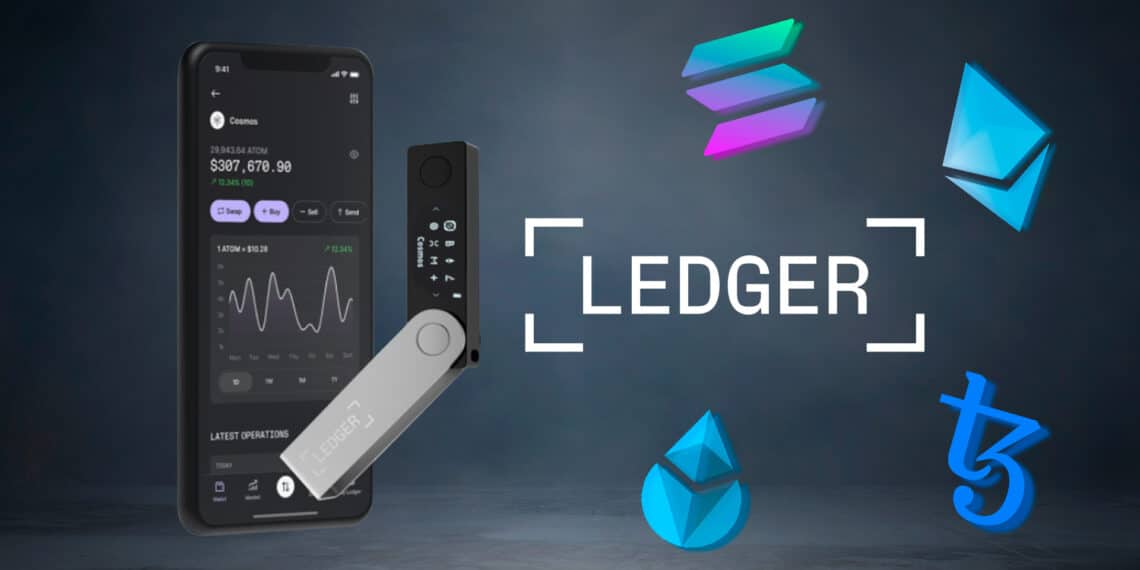
Whoa! If you use GUIs, pick software you trust. Short sentence. I prefer open-source tools or well-reviewed vendor ecosystems. For those using Ledger devices, their companion app handles many flows—here’s a tool I use and recommend ledger live. Long thought: pairing a reputable hardware wallet with reliable software reduces confusion, but you’ve still got to audit addresses and signing requests; don’t click through prompts without reading them because social engineering can imitate UX perfectly.
Practical checklist for hardened cold staking
Whoa! Quick checklist time. Short sentence. Use a dedicated hardware wallet, back up recovery to metal for durability, and use passphrases only if you can reliably store them. Medium: prefer multisig for large sums, keep an air-gapped signer for high-value transactions, and rehearse recovery workflows annually. Longer thought: if you’re delegating staking rights rather than moving funds, confirm the delegation contract’s parameters, understand lockups or slashing risks on-chain, and keep a written record (securely stored) of every delegated node or validator you trust.
FAQ
Can I stake directly from a hardware wallet?
Short answer: yes, often you can. Medium: many chains allow delegation or on-device signing for staking actions, though the exact flow depends on the wallet and chain. Long thought: check device support, the software client, and whether staking requires derivative keys or special transaction types; test with small amounts first and confirm rewards and withdrawal rules before you move meaningful funds.
What’s the best backup method?
Two things: redundancy and durability. Short sentence. Metal backups resist fire, water, and time; paper does not. Medium: keep multiple geographically separated copies, ideally using different storage modalities, and avoid putting all copies in one logical place (like the same safe deposit box for everything). Long thought: encrypting a backup can help, but encryption keys then become another secret to manage, so plan that layer thoughtfully.
How do I avoid social engineering?
Be paranoid in structured ways. Short sentence. Never share seed phrases, never enter a seed into a website, and treat unsolicited support calls as hostile by default. Medium: use out-of-band verification for any service claiming to help, and keep a checklist of trusted steps for recovery and updates. Longer thought: training yourself to pause and verify—phone numbers, domain names, signatures—reduces the odds you’ll give away access to someone pretending to be helpful (which happens more than you’d think).


More Stories
Why automated market makers, stable pools, and yield farming are the new plumbing of DeFi
Why Privacy Wallets Matter: Anonymous Transactions, In‑Wallet Exchange, and Real‑World Tradeoffs
Why the Right Crypto Screener Feels Like a Sixth Sense for DEX Traders